
The 10 most popular animation libraries (and why jaime uses none of them)
The 10 most popular animation libraries
Building anything with motion on the web eventually runs into the same question: is there a library for this, and if so, which one? Below is a researched ranking of the ten most popular web-animation libraries right now, roughly by real-world adoption and mindshare — then a concrete story about why "most popular" and "right tool for this job" turned out to be different questions for something jaime actually needed.
The ranking
1. Animate.css
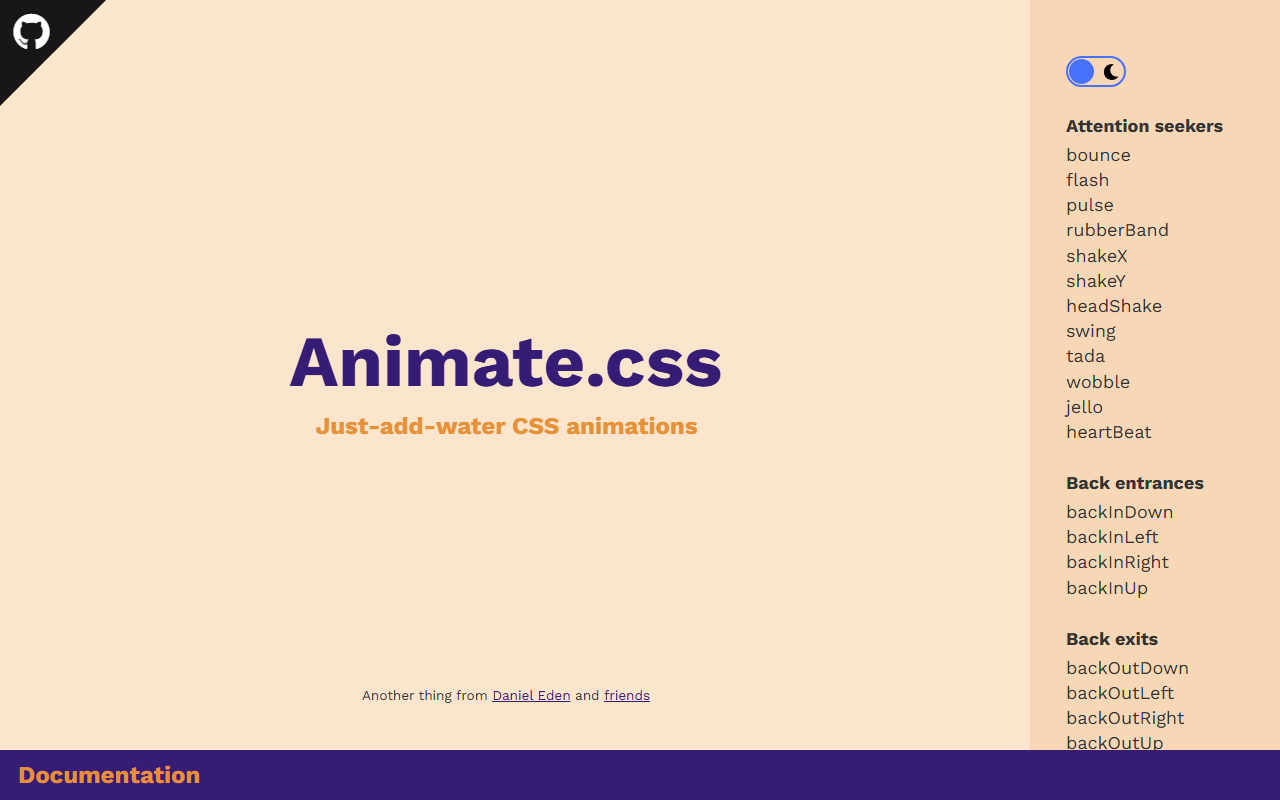
The oldest name on this list and still the simplest: a stylesheet of
ready-made CSS animation classes (animate__bounce,
animate__fadeIn, …). No JavaScript API to learn — you add a class,
you get an animation. Its ubiquity comes from exactly that: it's the
library people reach for when they want an animation, not an
animation system.
2. Anime.js
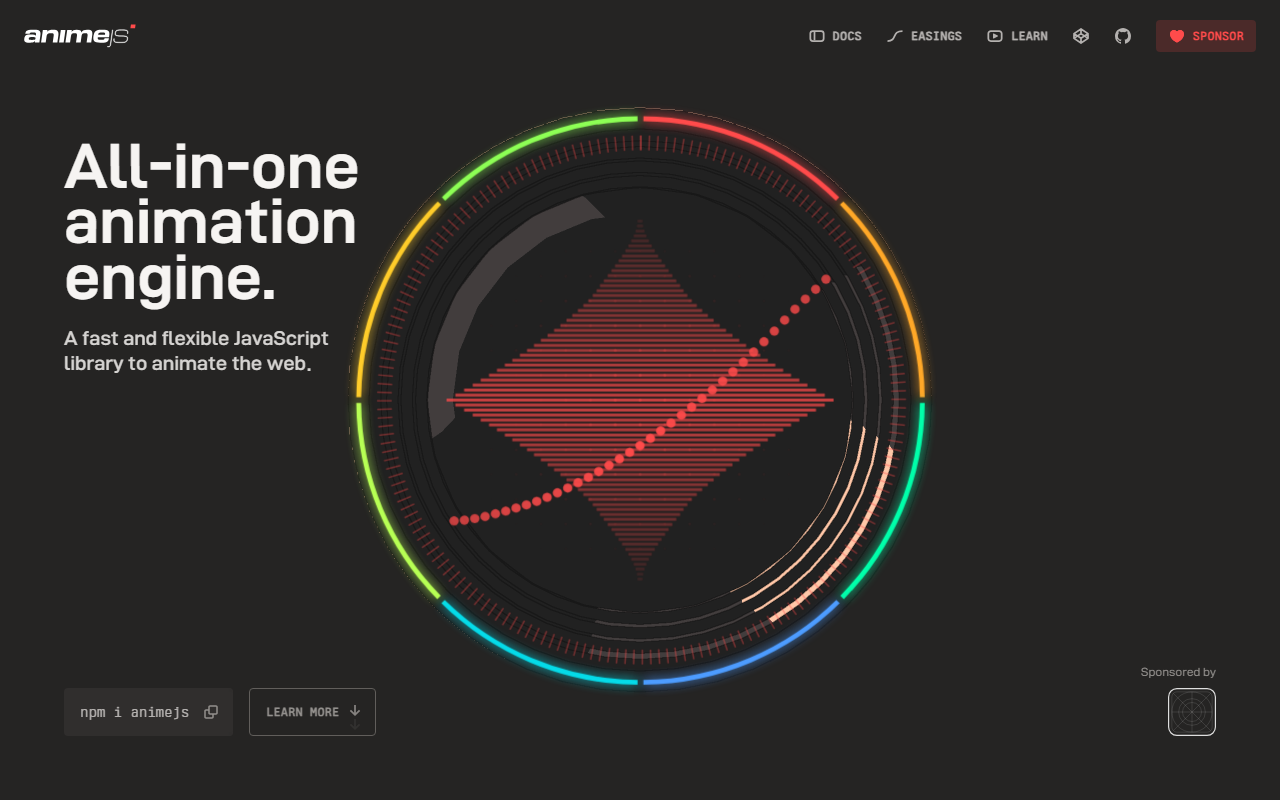
A small, dependency-free JavaScript engine that animates CSS properties, SVG attributes, DOM transforms, and plain JS objects through one unified API, with timelines for sequencing multiple animations together. Popular as the "I need real control but not a framework" middle ground between CSS classes and a heavyweight engine.
3. Motion (formerly Framer Motion)
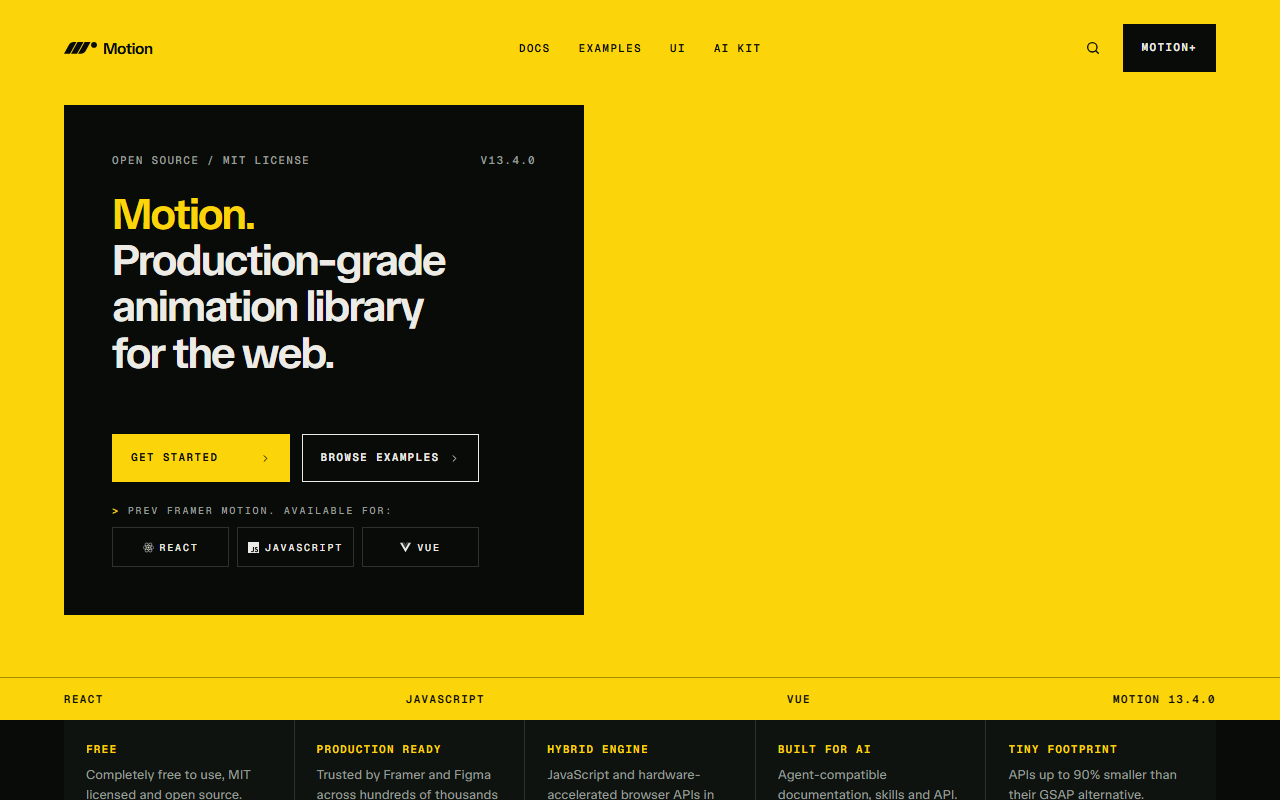
Framer's animation library, rebranded to Motion as it expanded past
React into a framework-agnostic core with a dedicated React layer on
top. It's the closest thing to a default choice for animating a modern
React app — declarative, gesture-aware, and tightly integrated with
component lifecycle (AnimatePresence for exit animations being the
feature everyone ends up relying on).
4. Lottie
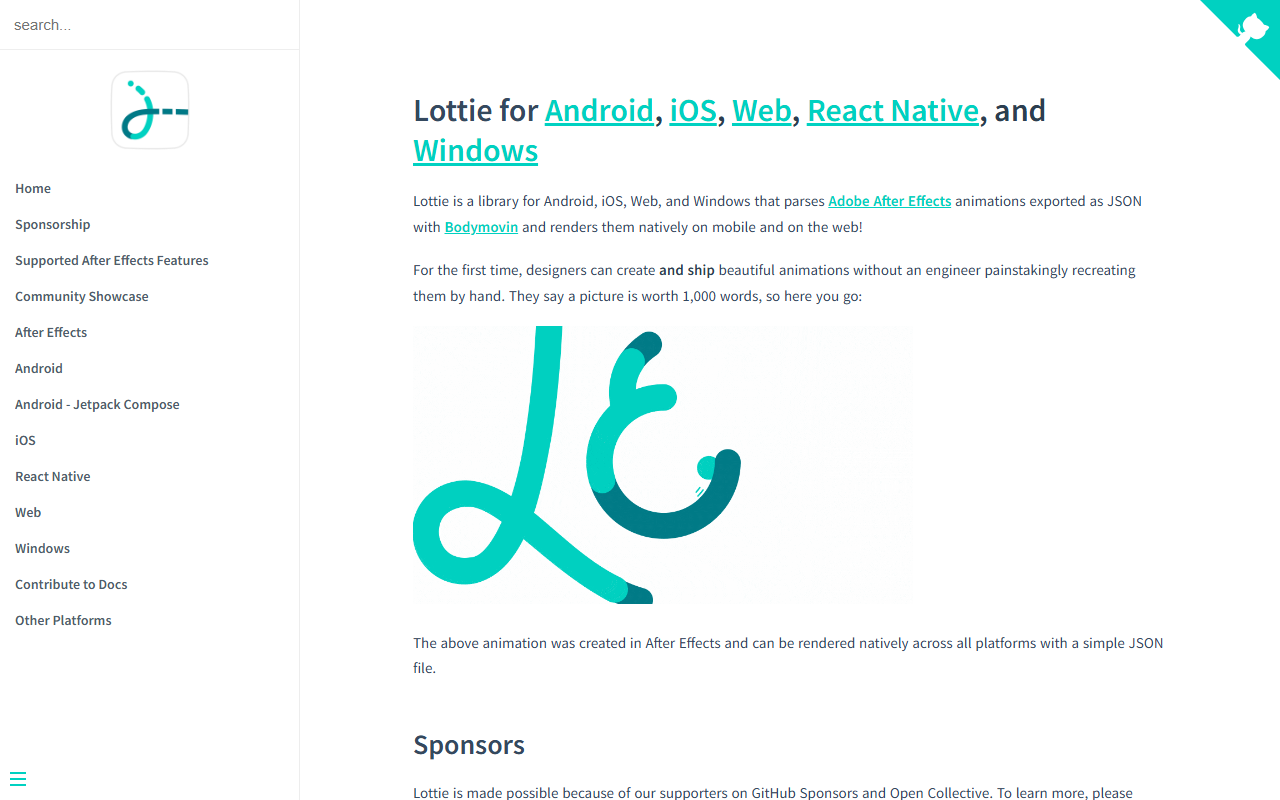
A different category from the rest: Lottie doesn't animate your DOM, it renders an animation a designer built in Adobe After Effects, exported as JSON (via the Bodymovin plugin), natively on web, iOS, Android, and React Native. Its popularity comes from the workflow it unlocks — a designer ships pixel-perfect motion without an engineer reimplementing it by hand — not from a JS animation API at all.
5. React Spring
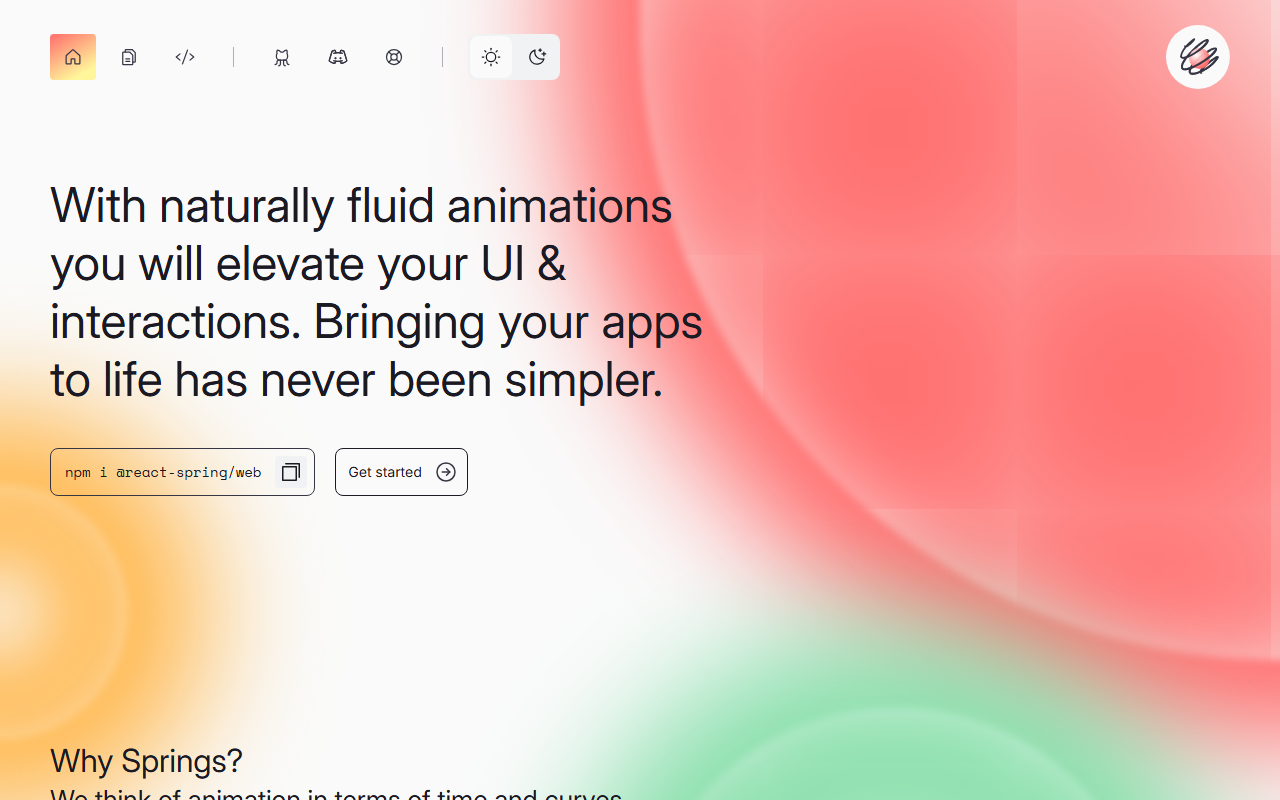
A physics-based alternative to duration-and-easing animation: instead of "animate this over 300ms with an ease-out curve," you describe a spring's tension and friction and let the physics decide the timing. Popular specifically among people who find hand-tuned easing curves never quite feel natural, and who are willing to think in spring parameters instead.
6. AOS (Animate On Scroll)
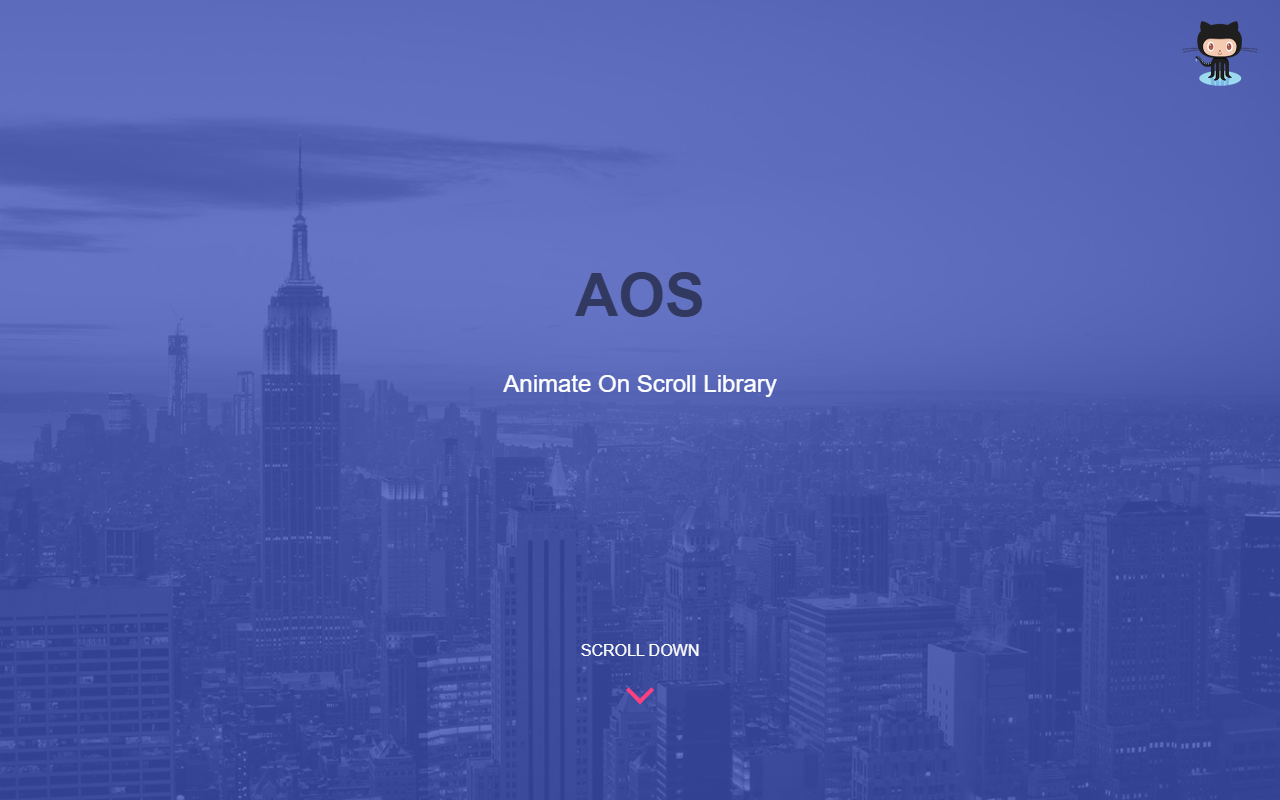
A small, focused library that does exactly one thing: reveal elements with a CSS animation as they scroll into view. Its entire popularity is the one use case in its name — nobody reaches for AOS to build a complex interactive animation, and that narrowness is the appeal.
7. Aceternity UI
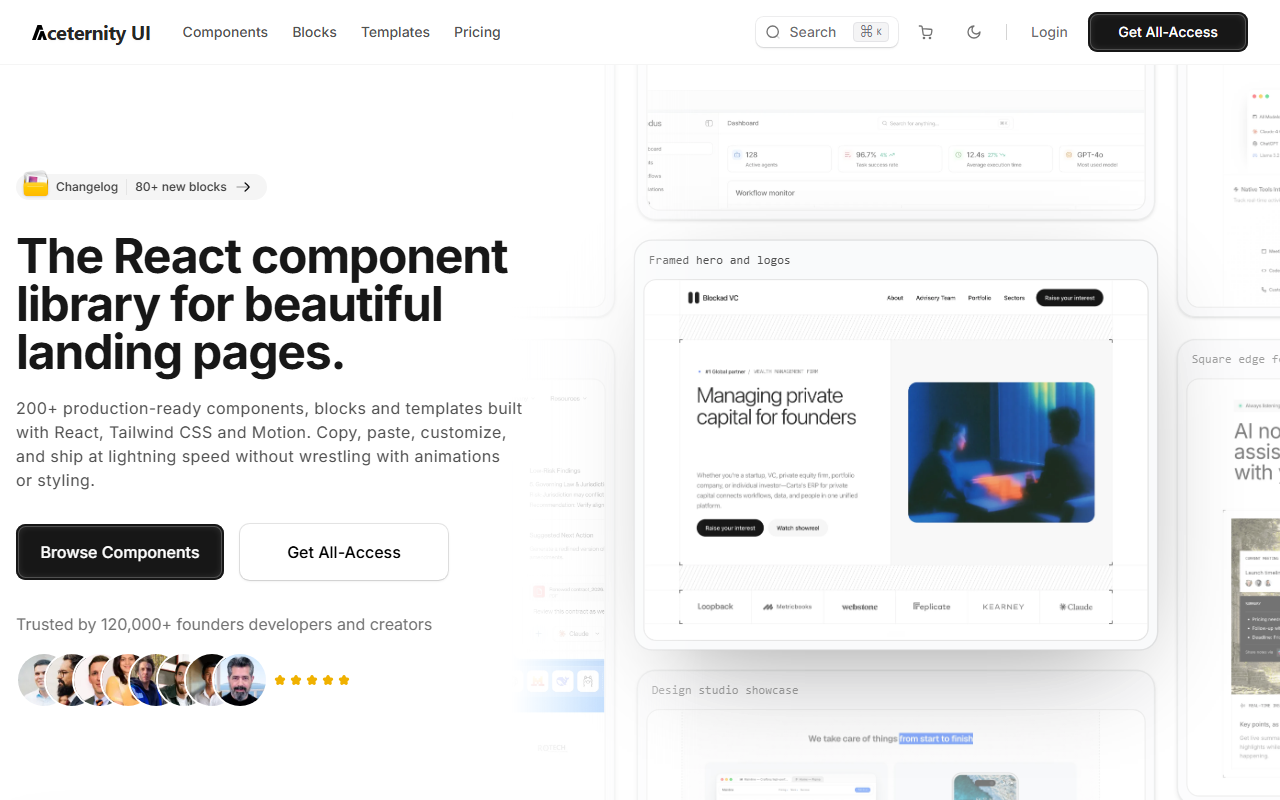
Not a library in the traditional sense — a collection of copy-paste
React + Tailwind + Motion components (spotlight effects, text reveals,
3D card tilts) in the shadcn/ui style: you don't npm install it, you
copy the component source into your own project and own it from there.
Its rise tracks the broader "own your components" trend replacing
"import a black-box library."
8. GSAP
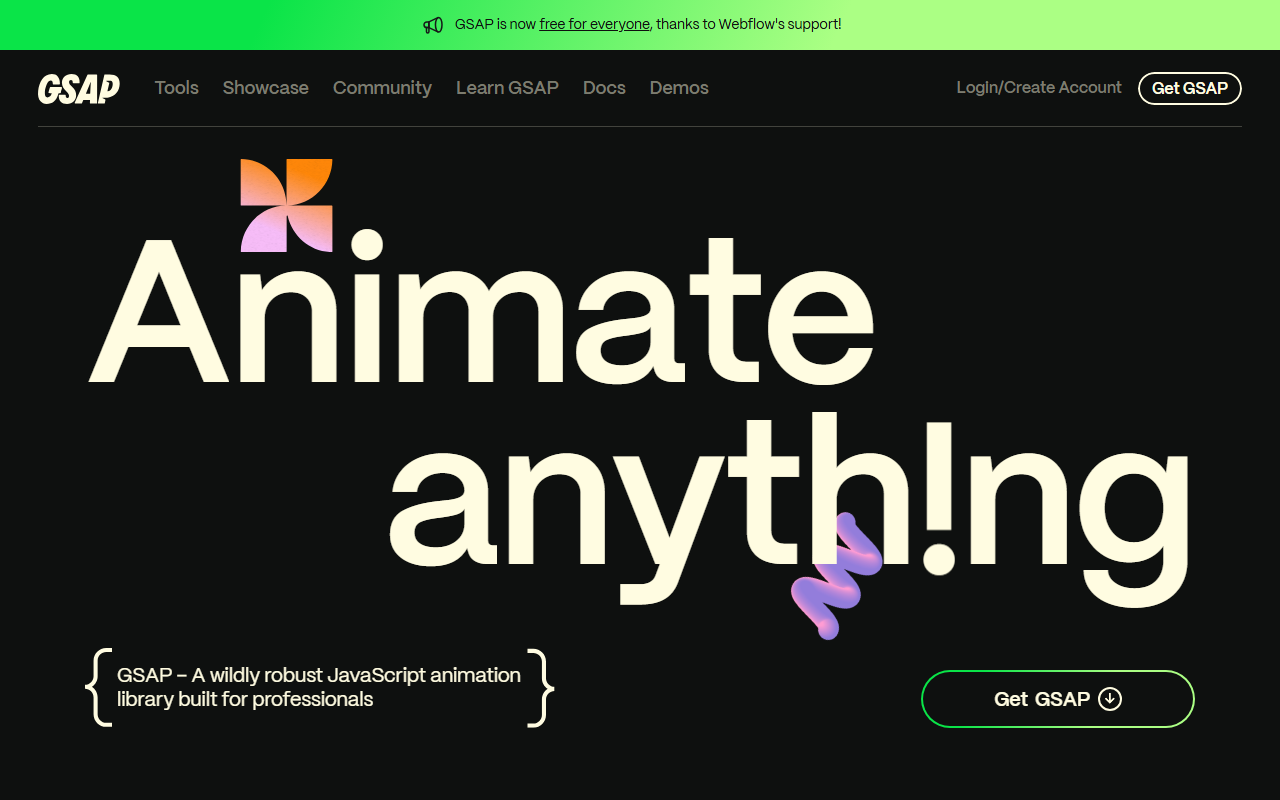
The veteran. GreenSock's animation platform predates most of this list, handles anything you can express as a timeline (DOM, SVG, canvas, WebGL, arbitrary JS objects), and is framework-agnostic by design. Long gated behind paid "Club GreenSock" plugins for its more advanced features, it went fully free after being acquired by Webflow — a factor in its continued relevance against newer, friendlier APIs.
9. Three.js
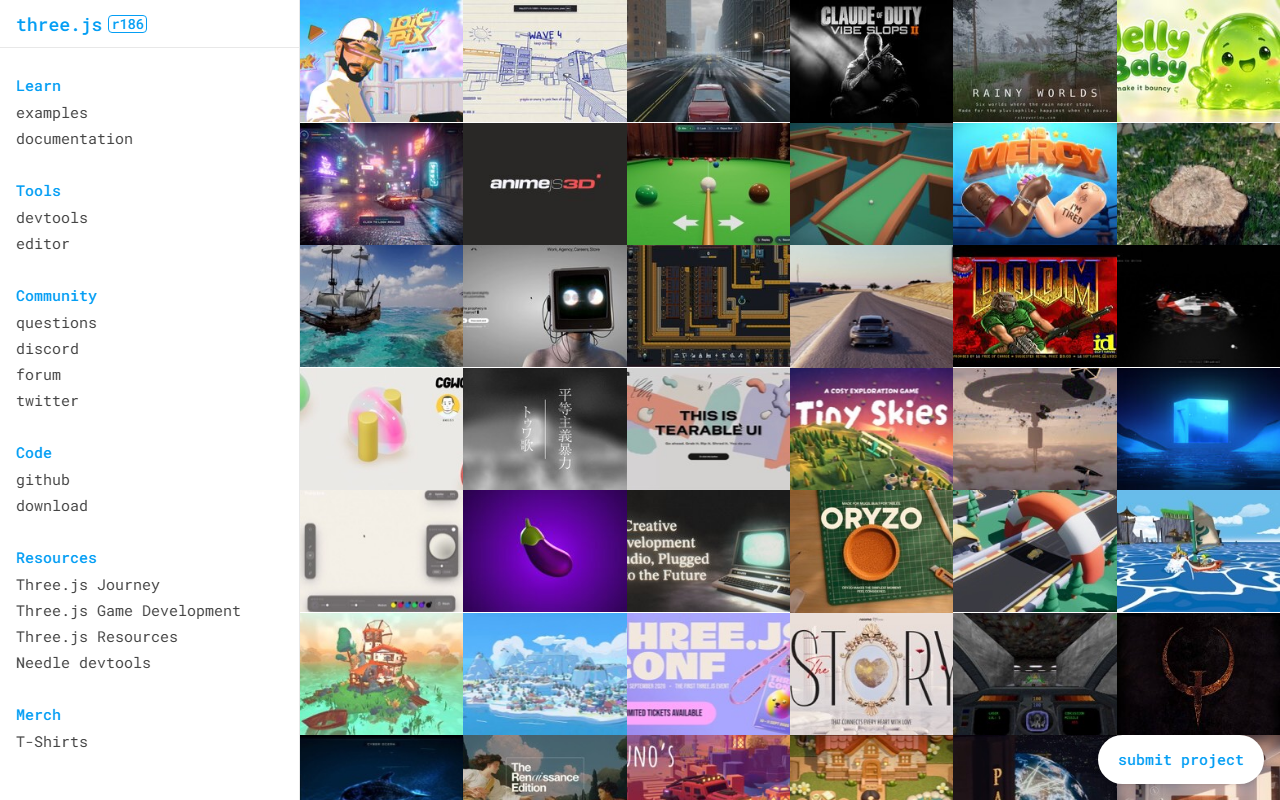
Strictly a WebGL 3D library, not an "animation library" in the DOM sense — but it earns its place here because a huge share of the most visually ambitious animated sites on the web are 3D scenes animated with Three.js underneath, not 2D DOM transitions. If the brief is "make it feel alive" rather than "transition this button," this is often where the real work happens.
10. Remotion
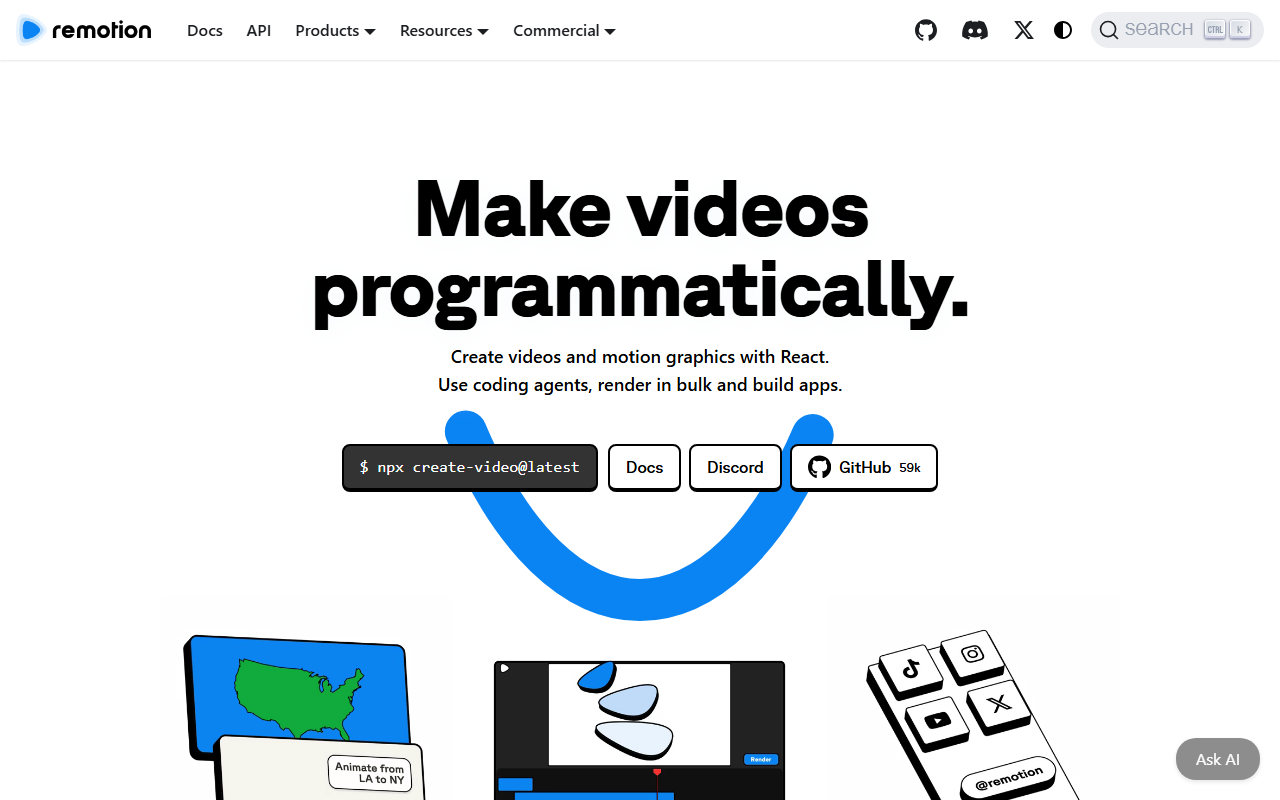
The odd one out: Remotion uses React to define animations, then renders them frame-by-frame to an actual video file (MP4) rather than playing them live in a browser. It's popular for programmatic video — data-driven video generation, personalized video at scale — a different job entirely from anything else on this list.
Most popular isn't the same question as right for this job
Somewhere in that research came a smaller, concrete question: jaime
wanted a character-scramble reveal effect — the "letters flicker
through random characters before settling into the real text" look.
GSAP has a purpose-built plugin for exactly this,
ScrambleTextPlugin. It's also, historically, a paid Club GreenSock
plugin (now bundled free since GSAP's relicense) — but even free, using
it means pulling in GSAP's core and the plugin's runtime for one
effect, on a project that otherwise has zero GSAP dependency anywhere.
The actual effect is small: pick a duration, pick a set of scramble characters, interpolate from random noise to the real string over a handful of animation frames, done. It doesn't need timeline sequencing, gesture recognition, spring physics, or any of the other machinery a general-purpose animation library brings along — those are the things you're paying bundle size for whether or not the one effect you need touches them. The right call for jaime wasn't "which of the ten most popular libraries handles this" — it was recognizing that the job was small enough to hand-roll in well under the footprint of adding any dependency at all. "Most popular" answers "what does the ecosystem reach for most often." It doesn't answer "what does this specific, narrow job actually require" — and for a one-off effect, those two questions can point in opposite directions.